




Experience You Can Trust, Support You Can Rely On
Our care model is rooted in Positive Behaviour Support (PBS) and Proact- SCIPr-UK training, ensuring a person-led approach that champions each individual’s needs, independence and wellbeing.
Who We Support
During our referral assessment, we’ll explore whether and how we can best support the person involved and ensure their needs are met.
Adults with learning disabilities, including those with complex needs and behaviours of concern
Autistic people, including those with complex needs and behaviours of concern
Epilepsy
Profound and Multiple Learning Disabilities (PMLD)
Cerebral Palsy
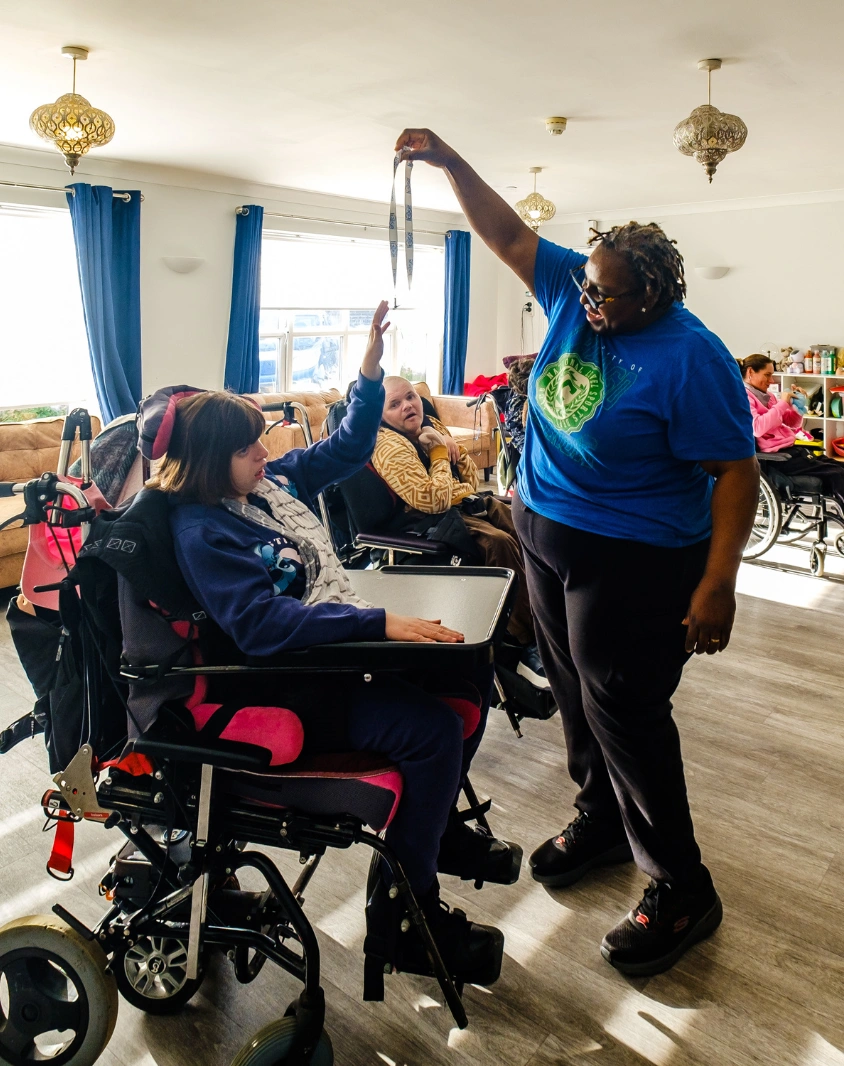
Other Complex Care
Our Approach
Positive Behaviour Support (PBS) is an evidence-based approach that helps us understand the purpose behind behaviours of concern – what the behaviour is communicating and why it happens. Its goal is to reduce these behaviours by teaching positive, effective alternatives and improving the person’s overall quality of life.
PBS is built on partnership, dignity, and respect. Our team focuses on enhancing the quality of life for both the individual and the people around them. Because all behaviour has meaning, PBS helps us identify what a person is trying to tell us so we can better meet their needs.
Personalised and strength-based care
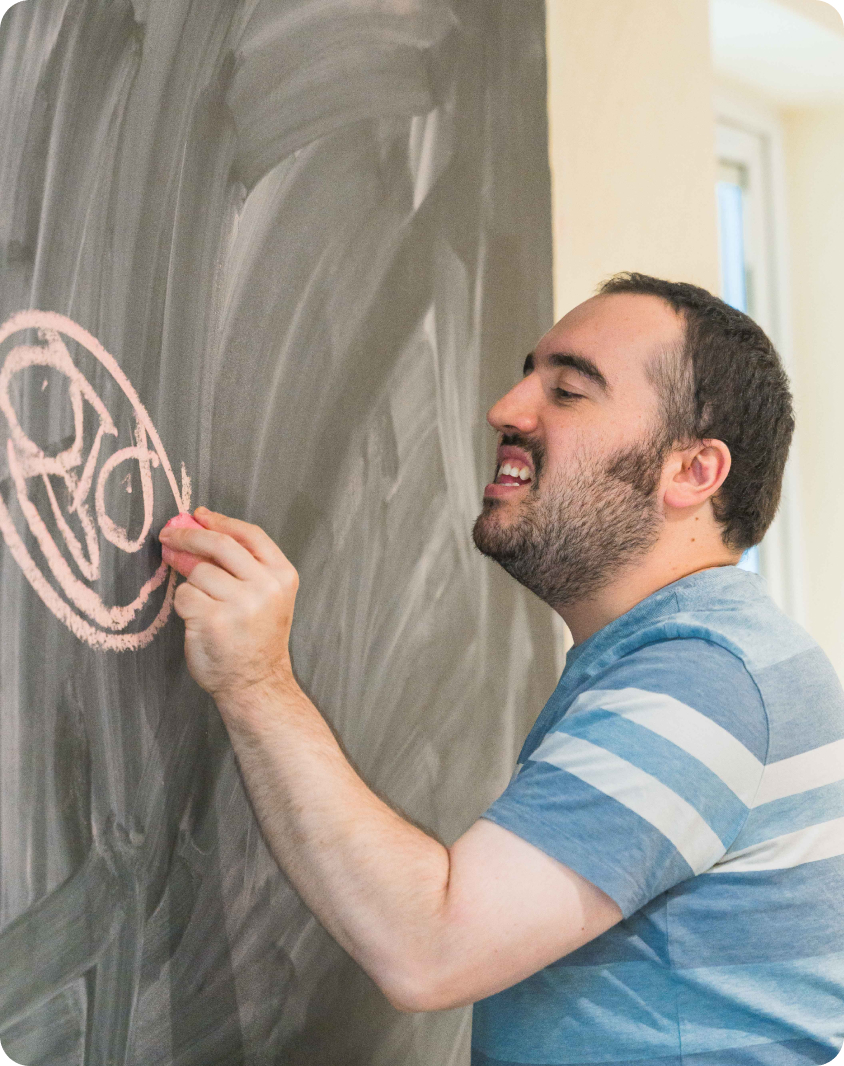
We design care plans tailored to each supported individual’s strengths, needs, and goals, such as encouraging a person skilled in art to lead weekly classes, boosting confidence and inspiring others.
Empowering independence and decision making
Our support helps people we support build skills and make choices. For instance, one individual learned cooking skills, gaining confidence to prepare meals independently and take control of their daily life.
Cultural sensitivity and inclusivity
We embrace cultural practices to ensure meaningful care. A person we support thrived when their daily routine was adapted to include cherished cultural traditions, enhancing their comfort and sense of belonging.
Supporting communication and sensory needs
We adapt tools and environments to improve comfort and communication, such as providing noise-cancelling headphones for sensory overload or touch talk devices for non-verbal individuals to express their needs.
Facilitating social connections and community engagement
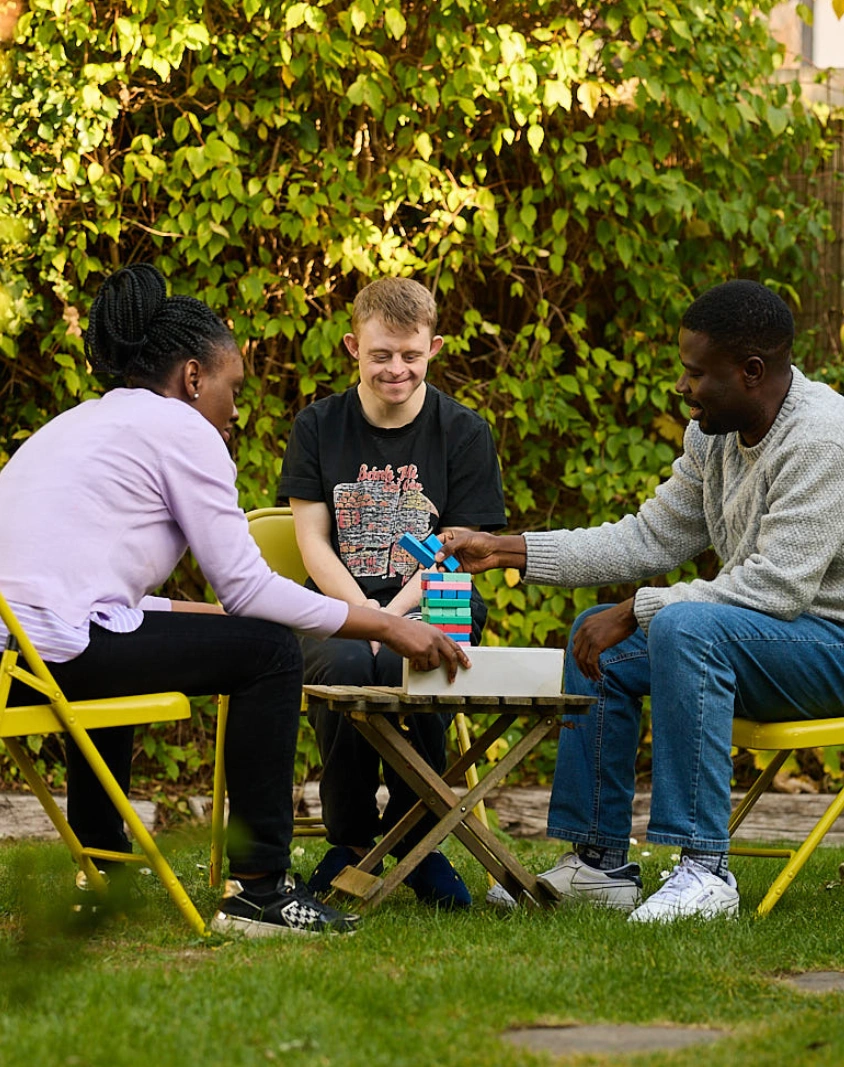
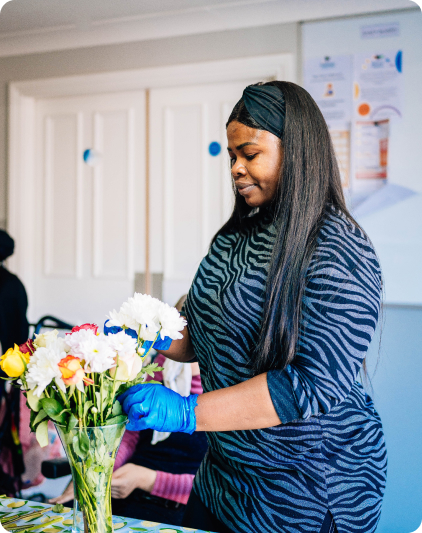
We encourage safe, meaningful relationships and activities. One person we support, initially hesitant to engage, now attends a gardening club, forming friendships and enjoying a renewed sense of purpose and inclusion.
Our Speech and Language Therapists (SLTs) are specialists in communication needs and in eating, drinking and swallowing difficulties. They work closely with individuals, their families, staff teams, and other professionals to provide personalised, meaningful support.
SLTs use evidence‑based approaches to:
-
- Support safe and comfortable eating and drinking helping individuals manage dysphagia with confidence.
-
- Develop effective communication strategies, enabling people to express themselves in ways that suit their strengths and preferences.
- Support safe and comfortable eating and drinking, helping individuals manage dysphagia with confidence.
- Develop effective communication strategies, enabling people to express themselves in ways that suit their strengths and preferences.
This support enhances quality of life by promoting independence, widening life opportunities, and reducing the risk of social isolation.
Our Occupational Therapists (OTs) help people develop, recover, or maintain everyday living and working skills when they experience physical, cognitive, sensory, or mental health difficulties.
They support individuals who may have long‑term limitations in movement, communication, thinking skills, or sensory processing. The aim is always to maximise independence and enable each person to take part in the activities that matter most to them.
OTs are adaptable, creative problem‑solvers. They help people succeed by modifying activities, environments, and routines so they are accessible and achievable.
Measurable Outcomes
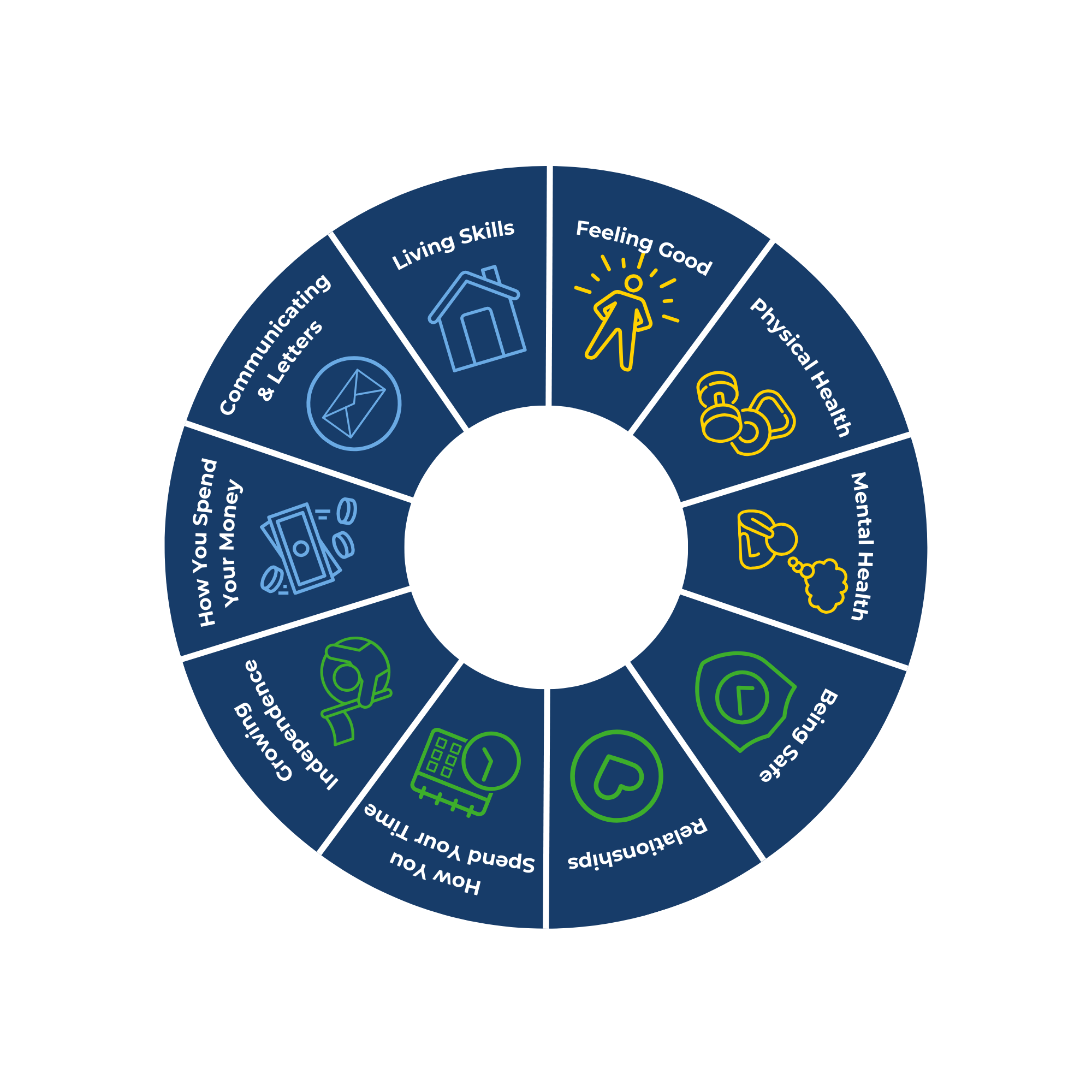
Through our Outcomes Pathway Model, we focus on 10 key areas of wellbeing – setting meaningful goals with the people we support and providing person-led care that drives real, lasting change.
Physical Health
We help you stay active, manage any long-term health conditions, and take care of your teeth and eyes. Our goal is to make sure you feel healthy and strong.
Mental Health
Our support helps people we support build skills and make choices. For instance, one individual learned cooking skills, gaining confidence to prepare meals independently and take control of their daily life.
Feeling Good
We focus on your overall happiness, helping you enjoy life and feel positive about yourself and your day-to-day experiences.
Relationships
We help you build and maintain strong relationships with family, friends, partners, and the staff who support you.
How You Spend Your Time
We encourage you to enjoy hobbies, work, or study—things that make your days fun and meaningful.
How You Spend Your Money
We assist you in making smart choices about spending, saving, and managing your money.
Growing Independence
We support you in learning new skills at home, understanding how your actions affect others, and helping you feel more independent.
Living Skills
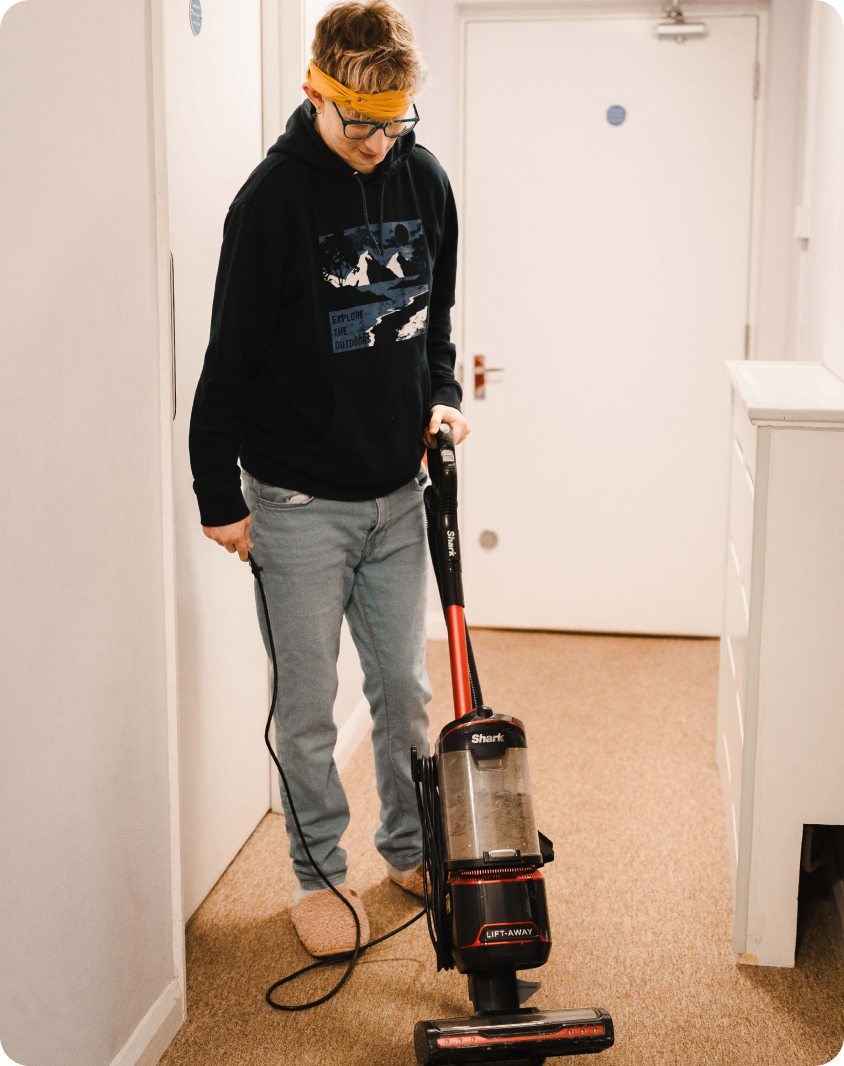
We guide you in everyday tasks like cooking, cleaning, and managing your time, so you can live as independently as possible.
Communicating & Letters
We assist you in communicating with others, whether it’s for GP appointments, bills, or just staying in touch with loved ones.
Being Safe
We help you stay safe online, in relationships, and when you’re out and about, so you can feel secure wherever you are.
Great Things Happen Every Day in Our Homes
Jack’s Story: Achieving Positive Outcomes Through Courage
Stoyan Appointed Operations Manager for London at Liaise
Tina’s Achievement: Completing Her Food Safety Qualification
Sarah Hopkins Appointed Director of Quality and Governance at Liaise
Growing Independence: Ben’s Story
Great Places to Live
In a residential home, the individual will live alongside other people and receive support in a place that feels comfortable and familiar. They can typically expect:
-
- A private bedroom, often with an en-suite bathroom.
-
- Shared communal areas, such as living rooms, kitchen, and garden.
-
- Round-the-clock support from a dedicated team who are there 24/7.
Those living in supported living can enjoy the privacy and independence of self-contained homes with their own front door, all of which meet the Specialised Supported Housing (SSH) requirements. This model offers the perfect balance of autonomy and tailored support.