

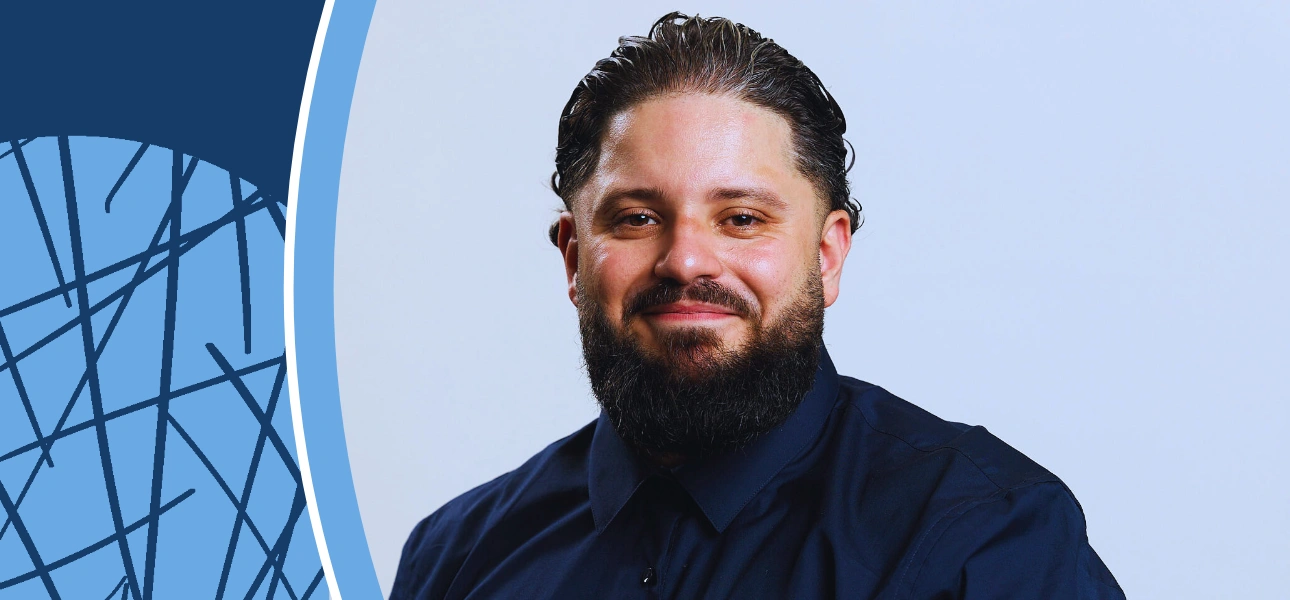
By Amine Amrani, Director of IT
In care, time is everything. It’s the difference between rushing and really being present. Between completing tasks and making a genuine impact.
But behind the scenes, time can easily get lost – in slow systems, repetitive admin, and processes that were never designed with frontline teams in mind. That’s where the role of IT has started to shift.
At Liaise, we’ve moved away from seeing IT as a support function that fixes things when they break. Instead, it’s become a core part of how we improve day-to-day working life across the organisation – quietly removing friction so people can focus on what matters most.
Starting with the basics: making things just work
Most people don’t notice good IT. And that’s exactly the point. When everything is working as it should, there’s no need to think about it. Laptops log in without issues, emails send, files are where you expect them to be. There’s no hesitation, no workaround, no frustration.
But that simplicity doesn’t happen by accident. Behind the scenes, there’s a constant flow of work – applying updates, strengthening security, monitoring systems, resolving issues before they’re even felt. In a care environment, where sensitive information is handled every day, that reliability is essential.
It’s not the most visible part of the job, but it’s one of the most important. Because when systems are stable and secure, everything else becomes easier.
Moving away from “that’s just how we’ve always done it”
One of the biggest opportunities for IT in care isn’t introducing something new – it’s rethinking what already exists. Across most organisations, there are processes that have grown over time. Extra steps added here, manual workarounds there. Before long, simple tasks take longer than they should, and people just accept it as part of the job.
This is where a more hands-on, practical approach to IT makes a real difference. Rather than asking teams to adapt to rigid systems, we’ve focused on shaping technology around how people actually work. That’s meant building tools in-house where it makes sense – from dashboards that give managers a clear, real-time picture of what’s happening, to automations that remove repetitive admin entirely.
The aim isn’t to overcomplicate things. It’s the opposite. Strip away unnecessary steps, reduce duplication, and make everyday tasks feel straightforward again.
Small changes that add up to something bigger
A lot of the impact comes from changes that, on their own, seem relatively small. Automating a manual report. Streamlining a joiner or leaver process. Making it easier to access the right information at the right time. But when you add those improvements up across an entire organisation, the effect is significant. Less time spent on admin. Fewer errors. More consistency. And importantly, less frustration for the people doing the work.
In care settings, that time doesn’t just disappear – it gets redirected. Back into supporting people, strengthening teams, and improving the quality of care.
Building systems that actually fit
Off-the-shelf software has its place, but it doesn’t always reflect how organisations really operate – especially in a sector as complex as care. That’s why a more tailored approach has become so valuable.
By building and shaping systems internally, we’ve been able to create tools that match the way Liaise works, rather than forcing teams into a set process that doesn’t quite fit. It also means we can adapt quickly. If something isn’t working, we can change it. If a better way emerges, we can build it. Over time, that flexibility becomes a real advantage – not just in terms of efficiency, but in how confident people feel using the tools available to them.
The quiet importance of security
While much of the focus is on improving day-to-day experience, there’s another layer that underpins everything: security. A huge amount of IT work happens in the background to keep systems protected – patching vulnerabilities, responding to alerts, and staying ahead of potential risks. It’s constant, and most of it goes unseen.
In care, where highly sensitive data is involved, there’s no room for compromise. Security isn’t a bolt-on or an afterthought. It’s built into everything we do. And when it’s done well, people don’t need to think about it. They just know their systems are safe, reliable, and fit for purpose.
What comes next: automation, AI, and doing it properly
Looking ahead, there’s a lot to be excited about. Automation will continue to play a big role, particularly in reducing admin and making processes more consistent. And AI is starting to open up new possibilities – from improving access to information to supporting better, faster decision-making. But the focus isn’t on rushing to adopt new technology for the sake of it.
The real priority is doing it properly. Making sure the right governance is in place, that systems are secure, and that anything introduced genuinely helps people rather than
adding another layer of complexity. Because in the end, the question isn’t “what can we implement?” – it’s “what will actually make a difference?”
Keeping it simple
At its core, the goal hasn’t changed: make things work; make them secure and make them easier for people to use.
If IT is doing its job well, it doesn’t get in the way. It doesn’t slow people down or add complexity. It simply supports the organisation, quietly and consistently. And in care, that has a direct knock-on effect: more time; less admin and better focus where it matters most.